Built for how you actually eat
A calorie counter app that knows what a roti is.
Most calorie tracking apps are built on a Western food database. Log “dal, two rotis and a cup of chai” and you get three failed searches and a shrug. BetterCal treats them as ordinary food, because for most of the world they are.
Updated


The problem
Why Indian food breaks most calorie trackers
It is not that the databases lack the words. It is that the words are not the hard part.
- Home cooking has no serving size. There is no packet, no label and no standard portion for the sabzi your family makes. A database entry called “mixed vegetable curry” is a guess about someone else’s kitchen.
- Cooking fat varies enormously. The same dal is a different food with a teaspoon of oil and with two tablespoons of ghee. Most databases pick one and never tell you which.
- Meals are composite by default. A thali is six things. Logging it item by item is six searches for one plate, which is precisely the friction that ends people’s tracking.
- Serving vessels do the measuring. “One katori of dal” is a real, meaningful unit to you and meaningless to an app built around cups and ounces.
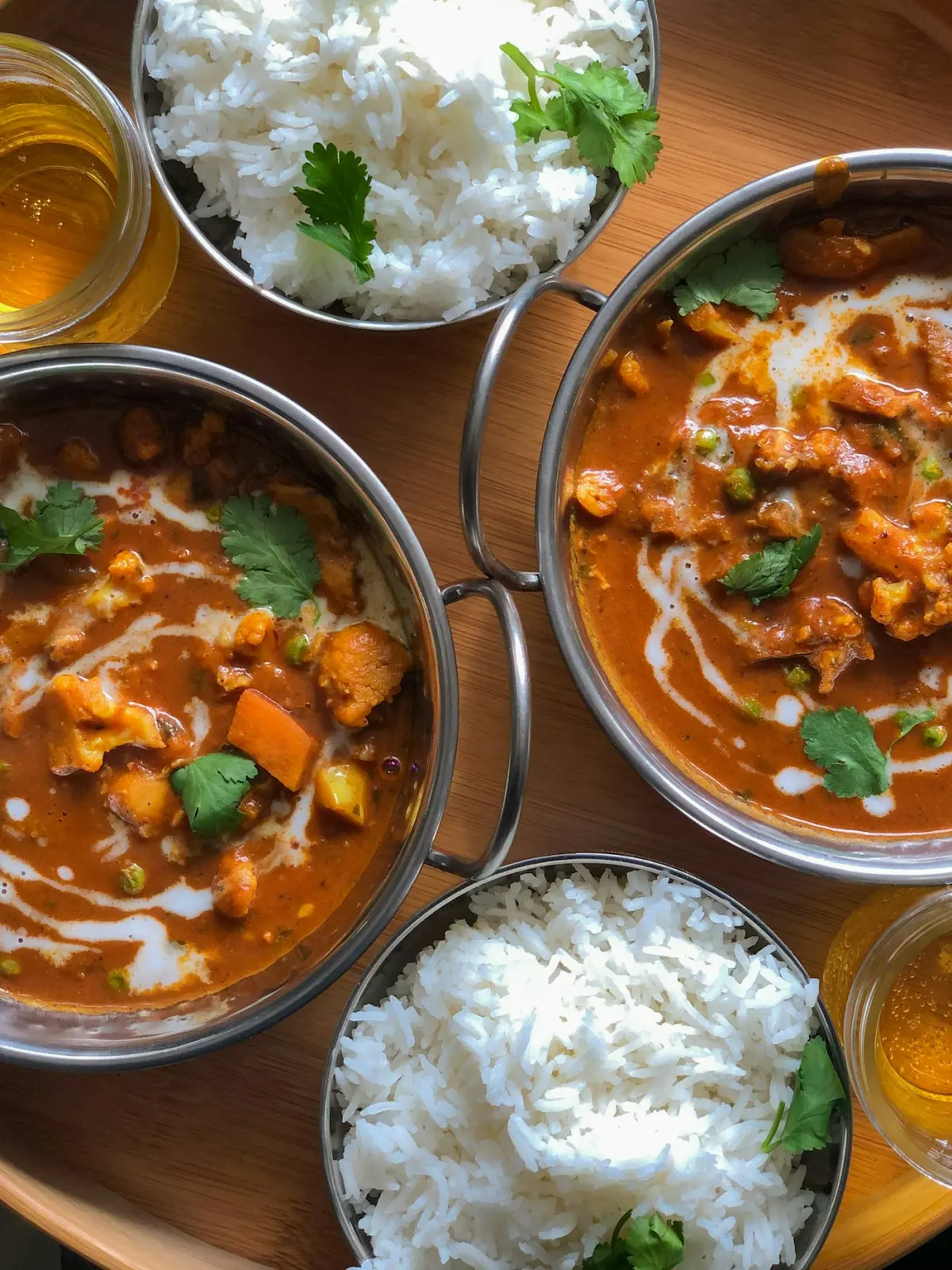
What BetterCal does differently
BetterCal takes your country into account before it estimates. Every meal you log is assessed against how that food is actually cooked and served where you are (the typical ingredients, the cooking fats, the serving vessel and the portion size) rather than against a single global average.
In practice that means you write the meal the way you would say it, and the numbers come back sensible:
| What you type or say | What happens |
|---|---|
| “Three rotis, dal and a bowl of curd” | Three separate entries with the right quantities, in one go |
| “One katori rajma, one cup rice” | Katori and cup read as the serving units they are |
| “Chai with sugar, two cups” | Counted as two, with milk and sugar assumed the usual way |
| “Paneer wrap from Subway” | Recognised as a specific outlet item, not generic paneer |
| “Aloo paratha with butter” | The butter is counted rather than quietly dropped |
Corrections stick. Adjust a dish once to match how it is made in your house, and that is what it uses next time.
Vegetarian, eggetarian and everything else
Set your diet once during setup (everything, vegetarian, eggetarian, vegan or pescatarian) and BetterCal’s suggestions follow it. Eggetarian is a real option, not something you have to approximate by picking vegetarian and ignoring half the advice.
When you are short on protein, the nudge you get is paneer, dal or curd rather than a protein bar you have never bought.
Free, no download
Just want the numbers?
If you want to check a meal before committing to an app, these work in the browser and need no sign-up.
Indian food calorie calculator: pick dishes by the katori, roti or plate and get a total range for the meal.
Calorie counts for common Indian foods: idli, dosa, khichdi, paneer, dal, biryani and more, serving by serving.
How much is 1 katori? The bowl size behind most Indian portion figures, in grams and millilitres.
Also useful if you are not in India
The same mechanism works anywhere the local way of eating differs from a US food database, which is most places. The country setting is yours to change, and the estimates follow it.
Frequently asked questions
How many calories are in one roti?
A plain home-made wheat roti of about 30–35g is usually in the region of 70–110 calories, depending on size, flour and whether ghee or oil was used on it. BetterCal estimates against how rotis are actually made rather than one fixed number, and you can correct it once so it matches yours.
Does it handle regional dishes outside the north Indian staples?
Yes. Dishes like poha, upma, dosa, idli, pongal, bisi bele bath, khichdi and pav bhaji are all handled as ordinary entries. If a specific preparation in your house differs, edit it once and the correction is remembered.
Can I log in Hindi or a mix of Hindi and English?
Dish names in their usual form work well, and most people write exactly the way they speak: “do roti aur dal” or “two roti and dal”. Where a transcript comes back off, it is visible and editable before anything is saved.
Is BetterCal free in India?
Yes. It is free to download from Google Play with 20 AI meal logs a day at no cost, and repeat meals are always free. See what is free for the detail.
Start today
Get the Indian food calorie app for iPhone and Android.
Log the food you actually eat, in one sentence. Free to start.